
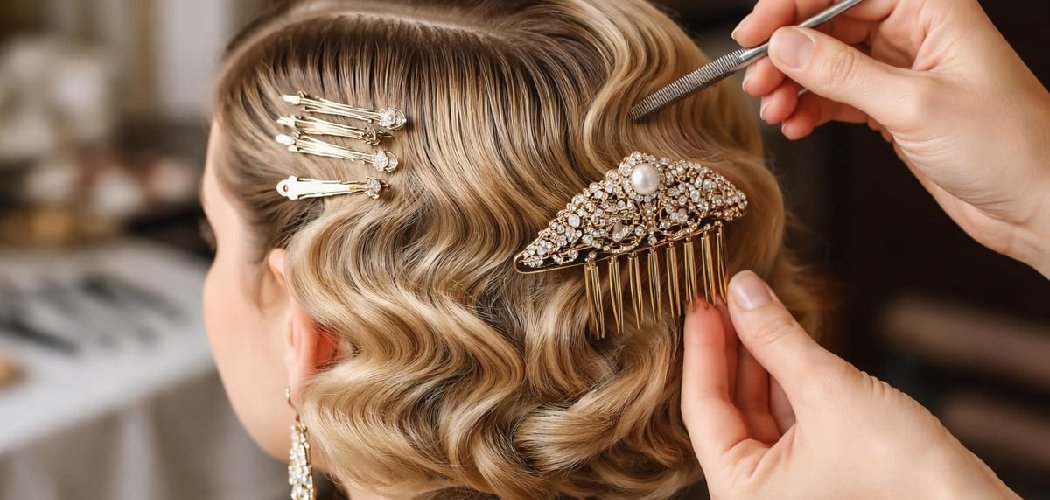
To wear a claw clip, gather your hair into a loose ponytail or twist, hold it at the back of your head, then twist the length upward and clamp the clip over the base so the teeth grip the roots. Angle the clip slightly downward and let go — the tension holds everything in place. It takes about 10 seconds once you get the hang of it.
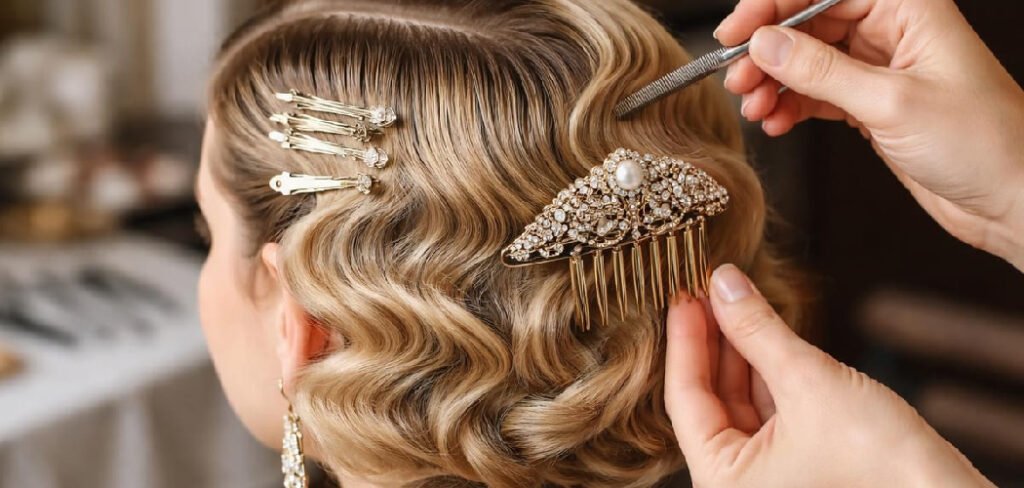
If your first few tries slide out or feel wobbly, don’t worry. Learning how to wear a claw clip is all about the twist and the placement, and this guide breaks down every part of it. Whether you have thick, fine, short, or long hair, there’s a technique here that’ll work for you.
Let’s clip in.
Why Claw Clips Are Worth the Hype
Claw clips are the ultimate lazy-glam hair accessory. They pull your hair up in seconds, they don’t leave a dent like elastics do, and they look polished whether you’re running errands or heading to dinner.
The best part? Once you learn the right motion, you can do it without a mirror. Muscle memory takes over fast.
What You’ll Need
You don’t need much to master this look. Having the right clip for your hair type makes the biggest difference.
- A large claw clip — the roomy, jaw-style clips are the go-to for most hair types and hold the most hair
- A medium or mini claw clip — perfect for fine hair, half-up styles, or smaller sections
- A rat-tail comb — a thin comb with a pointed handle for smoothing and sectioning
- A texturizing spray or dry shampoo — adds grip so the clip won’t slip on clean, silky hair
- A lightweight hair oil or smoothing serum — tames flyaways for a neater finish
- Bobby pins — handy for securing loose pieces or extra hold
If your hair is freshly washed and slippery, a little texture product is your best friend. Clips grip “gripped” hair much better than glossy-smooth strands.
How to Wear a Claw Clip: 8 Step-by-Step
Here’s the classic twist-and-clip method, broken into simple steps. Read through once, then try it — it clicks fast.
1. Prep Your Hair for Grip
Start with hair that has a little texture. If your strands are super clean and slippery, spritz in some dry shampoo or texturizing spray from roots to mid-lengths.
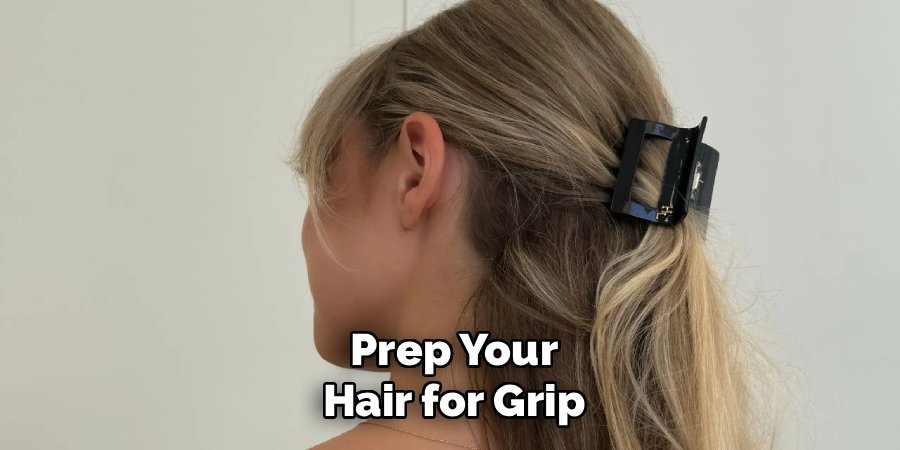
This gives the clip something to hold onto. Day-two hair actually works best for claw clip styles.
2. Gather Your Hair Into a Loose Ponytail
Use your hands or a rat-tail comb to sweep your hair back into a low or mid ponytail. Don’t use an elastic — just hold it with your hand.
Keep it loose and relaxed. A too-tight gather looks stiff and can pull uncomfortably once clipped.
3. Twist the Length Upward
Holding the ponytail, twist the length of your hair in one direction. Twist it until the hair starts to coil up on its own toward your head.
The tighter the twist, the more secure the hold. Aim for a firm but not painful twist.
4. Fold the Twist Up Toward Your Crown
Once your hair is twisted, fold the length upward so the ends tuck against the back of your head. You’ll end up with a vertical coil of hair running up the back of your head.
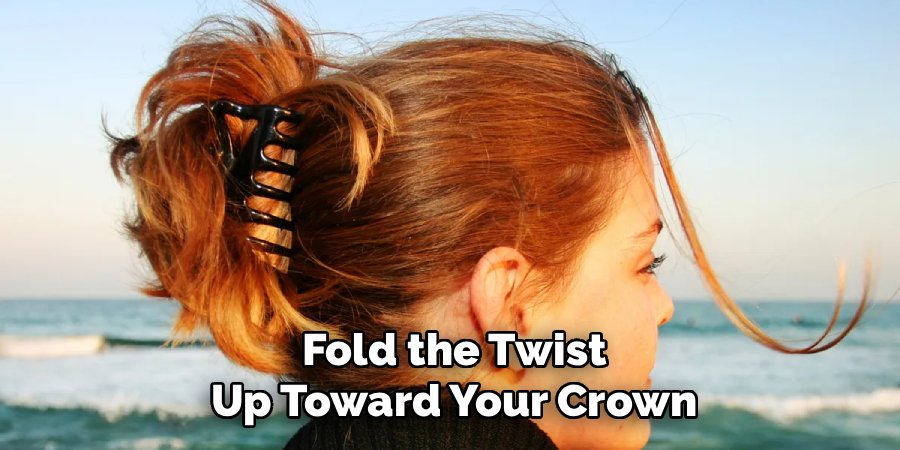
The tail ends can peek out the top — that’s the effortless, undone look everyone loves.
5. Open the Clip and Position It
With your free hand, open the claw clip by squeezing the sides. Position it so the bottom teeth scoop under the base of your twist, right where the coil meets your scalp.
This is the key move. The clip needs to catch your root hair, not just the loose ends.
6. Clamp and Grip the Roots
Push the clip in slightly, then release your grip so the teeth clamp down over the twist and into the hair near your scalp. You should feel it grab and hold.
If it feels loose, open it back up and reposition a little closer to the roots. The bite of the clip on your root hair is what keeps it from sliding.
7. Angle the Clip Downward
For the most secure hold, tilt the top of the clip slightly downward toward your neck as you clamp. This locks the twist in place and stops the clip from popping open.
An upward-angled clip is much more likely to slip out. Down is the direction you want.
8. Adjust and Pull Out Face-Framing Pieces
Let go and gently wiggle the clip to test the hold. Then pull out a few soft pieces around your face and near your ears to soften the look.
Smooth any flyaways with a drop of hair oil on your fingertips. A couple of loose tendrils turn a functional clip-up into a styled one.
That’s it — you’ve got a chic, secure claw clip updo.
Pro Tips for the Perfect Claw Clip Hold
A few small tweaks make a huge difference in how long your style lasts and how good it looks.
- Match the clip to your hair volume. Thick or long hair needs a large, sturdy jaw clip. Fine or short hair holds better with a medium clip that isn’t too heavy to slide down.
- Twist tighter for a firmer hold. The more you coil your hair before clipping, the less likely it is to loosen throughout the day.
- Don’t clip the very ends. Beginners often clip only the tail of the twist, which slips out fast. Always catch the root hair where the coil meets your scalp.
- Refresh with texture spray if it slips. If your clip won’t stay put, your hair is probably too smooth. A quick spritz of dry shampoo adds instant grip.
- Try a half-up version for practice. If a full updo feels tricky, start by clipping just the top half of your hair. It’s more forgiving and still looks polished.
Common Mistakes to Avoid
Even a simple clip has a few easy traps. Steer clear of these and your style will hold all day.
- Using a clip that’s too small. A mini clip on thick hair will strain, pop open, or slide down within minutes. Size up when in doubt.
- Angling the clip upward. This is the number one reason clips fall out. Always tilt the top of the clip down toward your neck for grip.
- Skipping the twist. Just gathering your hair and clamping without twisting leaves the style loose and floppy. The twist is what creates tension and hold.
- Clipping bone-dry, slippery hair. Freshly washed, product-free hair is the hardest to hold. Add a little texture first.
- Over-tightening. A painfully tight twist can cause headaches and tension on your roots. Snug is good — straining is not.
- Forgetting to catch the roots. If the clip only grabs the ends of your twist, gravity wins. Position it close to your scalp every time.
Frequently Asked Questions
How do you keep a claw clip from falling out?
The secret is placement and angle. Position the clip so its teeth grip your root hair near the scalp, not just the loose ends, and tilt the top of the clip slightly downward toward your neck. Twisting your hair firmly before clipping and adding a bit of texture spray to slippery strands also helps it stay put all day.
What size claw clip is best for thick hair?
Thick or long hair holds best with a large, sturdy jaw-style claw clip that has strong teeth and a firm spring. Smaller clips tend to strain and pop open under the weight of thick hair. If one large clip still won’t hold everything, you can split your hair into two sections and use two clips instead.
Can you wear a claw clip in short hair?
Yes, short hair can absolutely rock a claw clip. Reach for a medium or mini clip and try a half-up style, clipping just the top section of your hair back. Adding texture with dry shampoo helps short, layered pieces stay gripped, and a couple of bobby pins can secure any bits that fall loose.
How do you wear a claw clip for a professional look?
For a polished, work-ready finish, smooth your hair back neatly with a comb and a little serum before twisting, then tuck the ends fully inside the clip instead of letting them fan out. A sleek low twist near the nape of your neck reads more refined than a messy top-of-the-head clip. Choose a simple, solid-colored clip to keep it elegant.
Ready to give it a go? Grab your favorite claw clip, twist, clamp, and enjoy your fastest good-hair-day ever.
