
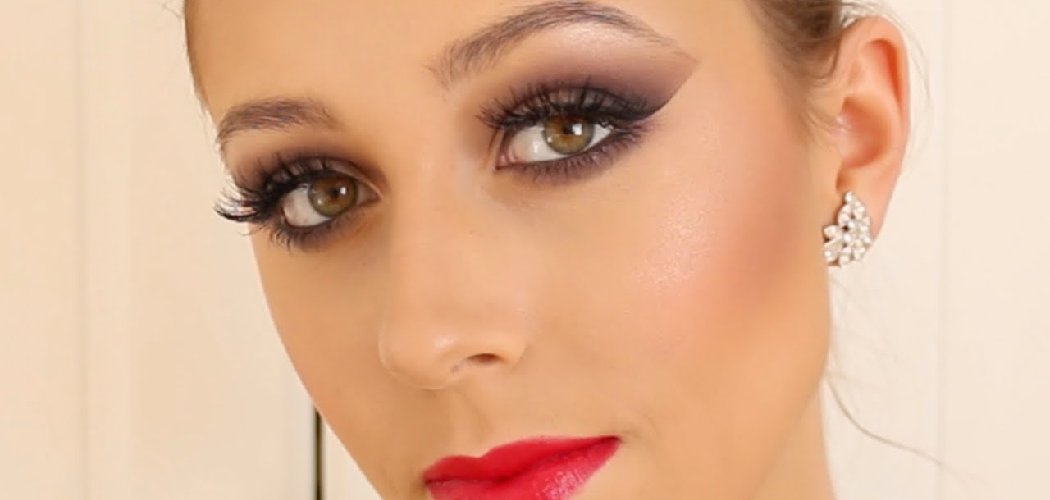
How to apply stage makeup is all about building bold, exaggerated features that read clearly under bright, washed-out lights. To apply stage makeup, start with a full-coverage foundation, layer on heavy contour and blush, define the eyes and brows dramatically, then lock everything down with powder and setting spray so it survives hot lights and long performances.
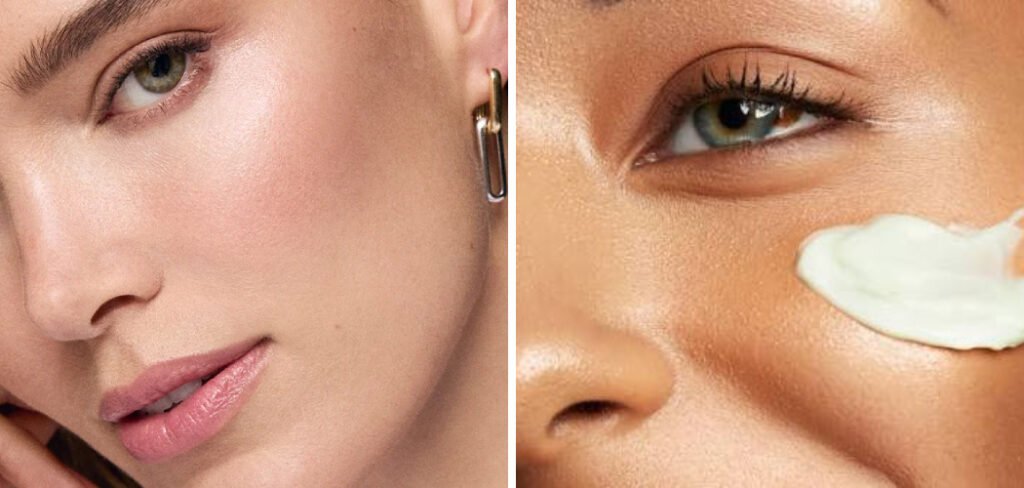
The trick is going bigger than you ever would for everyday wear. Powerful stage lighting flattens your face and drains color, so what looks intense up close often looks perfectly natural from the back row. Below, I’ll walk you through the whole process, tool by tool and step by step, in a way that’s easy to follow even if you’ve never done theatrical makeup before.
What You’ll Need
Gather your kit before you sit down so you’re not hunting for a brush mid-application. Here’s what makes stage makeup work.
- Full-Coverage Stage Foundation — a heavy, buildable base that holds up under lights and won’t melt off. Go one shade warmer than usual, since lights wash you out.
- Color Corrector Palette — green, peach, and lavender shades that cancel out redness, dark circles, and dullness before foundation goes on.
- HD Setting Powder — a finely milled powder that “sets” (locks in place) your base so it doesn’t shine or slide. “HD” just means it’s ultra-fine and won’t look cakey on camera or up close.
- Cream Contour and Blush Kit — bold sculpting shades to carve out cheekbones and add color the lights would otherwise erase.
- Theatrical Eyeshadow Palette — highly pigmented shadows in both neutral and dramatic tones for building depth that reads from a distance.
- Waterproof Eyeliner — a smudge-proof liner for sharp, defined eyes that survive sweat and heat.
- Volumizing Waterproof Mascara or False Lashes — to open up and enlarge the eyes so they don’t disappear under lights.
- Bold Lip Color — a long-wearing lipstick in a striking shade to keep your mouth visible and expressive.
- Setting Spray — a fine mist that “sets” your finished look, meaning it glues everything in place for hours.
- Makeup Sponge and Brush Set — for blending foundation, powder, and shadow smoothly.
10 Step by Step Guide on How to Apply Stage Makeup
Take your time the first run-through. Once you know the order, you’ll be able to move quickly before call time.
1. Prep and Prime Your Skin
Start with clean, moisturized skin and a thin layer of primer.

Primer is a grippy base layer that helps makeup cling and last longer. This matters even more for theatrical looks, since you’ll be piling on product and sweating under warm lights.
Let everything absorb for a minute before moving on, so your foundation doesn’t slide around.
2. Color Correct Any Trouble Spots
Dab color corrector only where you need it.
Use a touch of green to neutralize redness, peach or orange under the eyes to cancel dark circles, and a hint of lavender to brighten sallow areas. Correcting first means you’ll need less foundation on top.
Blend the edges gently with a fingertip or sponge so nothing looks patchy.
3. Build a Full-Coverage Base
Apply your stage foundation in thin layers, building up rather than caking it on all at once.
Bright lights drain color from your skin, so pick a shade slightly warmer or deeper than your everyday match. Work it in with a damp sponge for a smooth, even finish across your whole face and down onto your neck.
Blend past your jawline so there’s no harsh line where your face meets your neck.
4. Sculpt With Contour and Blush
Now exaggerate your features with cream contour and blush.
Sweep contour into the hollows of your cheeks, along your hairline, and under your jaw to carve out shadows the lights would otherwise flatten. Then pack on more blush than feels normal, high on the cheekbones, to bring back the flush that stage lighting erases.
Blend firmly so the shades melt together without obvious stripes.
5. Set Everything With Powder
Press HD setting powder over your whole base with a fluffy brush or sponge.
Setting locks your foundation, corrector, and cream products in place so they don’t shift, crease, or go shiny under hot lights. Focus extra powder on your forehead, nose, and chin, where sweat tends to build.
For a technique called “baking,” leave a thick layer of powder to sit for a few minutes, then dust it away. This gives an ultra-set, crease-free finish under demanding lighting.
6. Create Dramatic Eyes
Build your eye look bigger and bolder than daily wear.
Start with a neutral shade across the lid, deepen the crease with a darker tone, and blend well so the colors fade into each other. Layer on brighter or more dramatic shades if your character or performance calls for it.
Eyes read as the most expressive feature from a distance, so don’t be shy with definition here.
7. Line and Lash for Definition
Line your eyes with waterproof eyeliner, tracing close to the lash line and extending outward.
For extra impact, add liner along your waterline (the inner rim of your eyelid where lashes meet the eye) only if it suits the look. Then coat lashes with volumizing waterproof mascara, or press on false lashes to enlarge the eyes even further.
Waterproof formulas matter here because heat and stage sweat make regular products smear fast.
8. Shape Bold Brows
Fill and define your brows more heavily than usual.
Brows frame the whole face and anchor your expressions, so use short, firm strokes to build a strong, clear shape. Under bright lights, faint brows simply vanish, so darker and fuller is the goal.

Set them with a brow gel if you have one, so they stay put through the show.
9. Add a Striking Lip
Line and fill your lips with a bold, long-wearing color.
A defined mouth keeps your expressions and dialogue readable from the audience. Choose a shade that stands out against your skin, and blot with a tissue between layers so it lasts longer.
For extra staying power, press a little powder over the first coat, then apply a second.
10. Lock It All In With Setting Spray
Finish by misting setting spray evenly over your entire face.
Hold the bottle at arm’s length and spray in an X and T motion for full coverage. This final step fuses all your layers together so your hard work survives lights, sweat, and hours on stage.
Let it dry fully before touching your face or getting into costume.
Pro Tips
A few insider habits make the difference between makeup that holds up and makeup that slides off mid-scene.
- Check yourself under bright light, not dim mirrors. What looks dramatic in a softly lit room often looks subtle onstage. If you can, test your look under lighting similar to the venue.
- Go warmer and bolder than instinct tells you. Stage lighting steals color and depth, so pump up contour, blush, and lip shade more than you’d think is reasonable.
- Layer thin and set often. Thin coats that you set with powder as you go last far longer than one thick, gooey layer.
- Keep touch-up products in your bag. Powder, lipstick, and blotting sheets rescue your look during intermission or between scenes.
- Patch test new products first. Dab a small amount on your inner forearm 24 hours ahead. Heavy theatrical makeup sits on skin for hours, so make sure nothing triggers redness or itching. This is general beauty caution, not medical advice, so see a professional if irritation continues.
Common Mistakes to Avoid
Even seasoned performers slip up on these. Steer clear and your look will thank you.
- Applying everyday amounts. Normal makeup levels disappear under stage lights. Under-applying is the most common rookie error, leaving faces looking washed out and flat.
- Skipping the setting steps. No powder and no setting spray means your look melts under hot lights within minutes.
- Matching foundation to your neck, not the lighting. A shade that looks perfect at home can read ghostly onstage. Warm it up.
- Forgetting to blend down the neck. A sharp foundation line at the jaw is glaringly obvious from the audience and on camera.
- Ignoring the brows and lips. Faint brows and pale lips vanish under lights, flattening your expressions and making your face hard to read from a distance.
- Using non-waterproof eye products. Regular mascara and liner smudge fast once heat and sweat kick in, leaving you with raccoon eyes.
Frequently Asked Questions
How is stage makeup different from everyday makeup?
Stage makeup is far more intense and heavily set than daily wear. Bright, powerful lighting flattens your features and drains color, so you deliberately exaggerate contour, blush, brows, and lips to keep your face readable from a distance. Everyday makeup, by contrast, is designed to look natural up close, so it uses much lighter application and fewer locking steps.
What makeup lasts longest under hot stage lights?
Long-wearing, waterproof, and full-coverage formulas hold up best under demanding lighting. Look for a heavy stage foundation, waterproof eyeliner and mascara, and a long-wearing lip color, then lock everything with setting powder and setting spray. The combination of buildable base products and proper setting is what keeps your look from melting during a long performance.
Is stage makeup bad for your skin?
Wearing heavy theatrical makeup occasionally is generally fine for most people, but it does sit on your skin for hours, so removal and prep matter. Always start with clean, moisturized skin, patch test new products beforehand, and remove everything thoroughly after the show with a gentle cleanser. If you notice ongoing irritation or breakouts, check in with a professional for advice.
How do you keep stage makeup from sweating off?
Prep with primer, apply your base in thin layers, and set each stage with powder as you build. Choosing waterproof eye products and finishing with a setting spray fuses everything together so heat and sweat can’t break it down. Focusing extra powder on your forehead, nose, and chin also helps control the areas most prone to shine and slipping.
Now grab your kit, test your look under bright light, and step onstage knowing your makeup will shine as brightly as you do.
