
Learning how to get gel nail polish off at home is easier than you think, and the fastest method is the classic acetone foil soak-off. You just soak acetone-drenched cotton onto each nail, wrap it in foil, wait about 10 to 15 minutes, and gently push the softened gel away. No salon visit, no scraping, and no wrecked nails when you do it right.
Gel polish is designed to last for weeks, so it won’t budge with regular nail polish remover alone. But with a few basic supplies and a little patience, you can remove it safely on your bathroom counter tonight.
What You’ll Need
Before you start, gather everything so you’re not scrambling mid-soak with foil on one hand. Here’s your shopping and supply list.
- 100% pure acetone — the key ingredient for breaking down gel. Regular polish remover is too weak.
- Cotton balls or cotton pads — cut them to nail size so they cover the whole nail.
- Aluminum foil — cut into small squares to wrap each fingertip.
- A nail file (medium grit, around 100/180) to buff the shiny top coat.
- A cuticle pusher or an orangewood stick to nudge off softened gel.
- A buffer block to smooth your nail surface afterward.
- Cuticle oil to rehydrate skin and nails.
- Hand cream or a rich moisturizer for post-removal care.
- Petroleum jelly to protect the skin around your nails from acetone.
Household alternatives if you’re out of supplies:
- Gel polish remover clips (reusable plastic caps) instead of foil.
- Rubbing alcohol (isopropyl alcohol) as a gentler, slower option.
- A small bowl of acetone for a quick soak if you don’t want to wrap.
Quick note: acetone dries skin fast, so having oil and moisturizer ready isn’t optional. Your cuticles will thank you.
Method 1: The Acetone Foil Soak-Off (Recommended)
This is the go-to method professionals use, and it’s the most reliable way to lift gel without damaging your natural nail underneath. Set aside about 30 minutes and settle in somewhere comfortable.
Step 1: File the Top Coat
Gel polish has a glossy sealed layer that stops acetone from soaking in. Take your nail file and gently buff the shiny surface until it looks dull and matte.
You’re not filing down to the nail — just breaking the seal. A few light passes on each nail is enough.
Step 2: Protect Your Skin
Rub a little petroleum jelly or cuticle oil onto the skin surrounding each nail. This creates a barrier so the acetone dries out the polish, not your fingers.
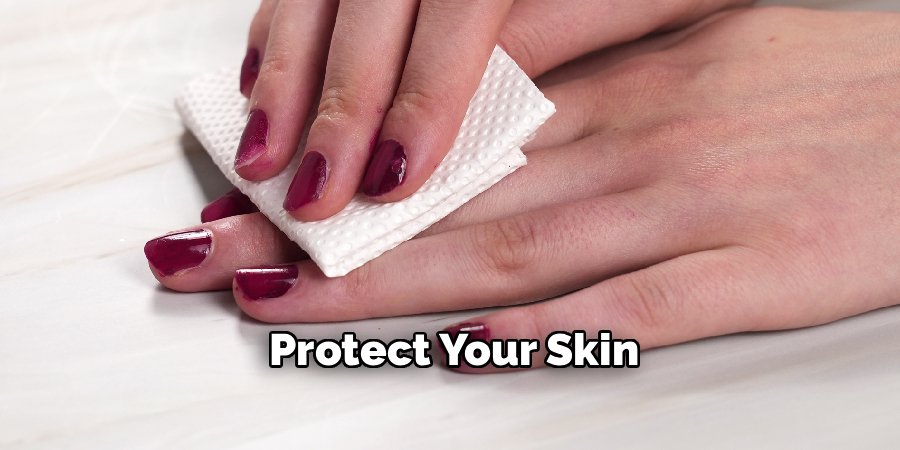
Skip this step and you’ll notice how tight and flaky your skin feels afterward.
Step 3: Soak Your Cotton
Cut cotton balls or pads down to roughly the size of your nail. Saturate each piece with 100% pure acetone until it’s wet but not dripping everywhere.
Step 4: Wrap Each Nail
Press a soaked cotton piece directly onto the nail, then wrap the fingertip snugly in a small square of foil. The foil holds the cotton in place and traps warmth, which speeds things up.
Repeat for all ten nails. Yes, it’s fiddly — do one hand at a time if that’s easier.
Step 5: Wait 10 to 15 Minutes
Now relax. Let the acetone do its work for at least 10 minutes, up to 15 for thick or stubborn gel.
Resist the urge to peek too early. The gel needs time to fully soften.
Step 6: Check and Remove
Unwrap one nail. As you slide the foil and cotton off, twist slightly — the gel should come away looking flaky, lifted, or slushy.
If it’s still stuck firmly, re-wrap and wait another 5 minutes. Never force it.
Step 7: Gently Push Off the Softened Gel
Use your cuticle pusher or orangewood stick to gently scrape the loosened gel toward your fingertip. Work slowly and stay light-handed.
Any spots that resist mean the gel isn’t ready — re-soak rather than dig.
Step 8: Buff and Wash
Once all the gel is off, lightly buff any remaining residue with your buffer block. Then wash your hands with soap and warm water to remove the acetone.
Follow immediately with cuticle oil and hand cream (more on that in the aftercare section).
Method 2: The Rubbing Alcohol / Non-Acetone Method
Out of acetone, or want something a little gentler? Rubbing alcohol can work on some softer gel formulas, though it’s slower and less powerful than acetone. This method takes patience and doesn’t work on every gel type, but it’s a solid backup.
Step 1: Buff the Shine Off
Just like Method 1, start by filing the glossy top layer until it’s matte. This lets the alcohol penetrate.
Step 2: Soak in Warm Water First (Optional)
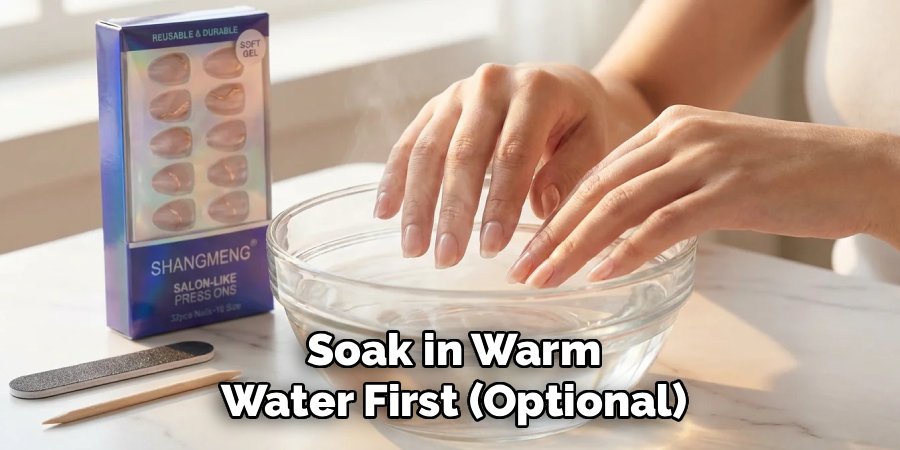
Soaking your nails in warm, soapy water for 5 minutes can help loosen the edges of the gel. This softens things up before the alcohol step.
Step 3: Apply Rubbing Alcohol
Saturate cotton pieces with isopropyl rubbing alcohol (the higher the percentage, the better). Press onto each nail and wrap with foil, exactly like the acetone method.
Step 4: Wait Longer
Alcohol works slower than acetone, so give it 15 to 20 minutes. You may need to re-soak the cotton partway through as it evaporates faster.
Step 5: Test and Lift
Unwrap a nail and gently try to lift the gel with your cuticle pusher. If it’s not budging, the gel formula may simply need acetone — don’t force it.
Step 6: Buff Away Leftovers
Once the gel lifts, buff off any stubborn bits and wash your hands. Finish with oil and moisturizer.
A little honesty here: rubbing alcohol is hit or miss. Hard-cure salon gels often laugh at it, while softer at-home gels give in more easily. If it’s not working after 20 minutes, switch to acetone rather than scraping harder.
Aftercare: Treat Your Nails Kindly
Acetone and buffing leave your nails thirsty and a bit fragile. A few minutes of care now prevents peeling, splitting, and that dried-out look.
- Flood your nails with cuticle oil. Massage it into each nail and the surrounding skin. Repeat daily for the next week.
- Moisturize your hands generously. A rich hand cream helps replace lost moisture right away.
- Give your nails a breather. Wait at least a week before applying new gel if you can. Bare nails need time to recover.
- Use a strengthening base coat. If your nails feel weak, a nourishing treatment can help them bounce back.
- Buff gently, not aggressively. A light smoothing pass is fine, but over-buffing thins the nail.
- Stay hydrated and eat well. Nail health starts from the inside too.
Think of it like skincare after a long day — your nails just went through a lot, so a little pampering goes a long way.
What NOT to Do
This is the part that saves your nails from long-term damage. The biggest mistakes happen when people get impatient.
- Don’t peel or pick off gel. This is the number one nail-wrecker. Peeling rips off the top layers of your natural nail, leaving them thin, weak, and rough for weeks.
- Don’t scrape hard with metal tools. If the gel resists, re-soak. Digging gouges the nail surface.
- Don’t skip the top-coat filing. Without breaking that seal, acetone can’t get in and you’ll waste 20 frustrating minutes.
- Don’t overuse the file. Filing the top coat is fine; filing your actual nail down is not.
- Don’t heat acetone on the stove or microwave. Acetone is highly flammable. If you want warmth, wrap your foiled hands in a warm towel instead.
- Don’t ignore your skin. Prolonged acetone contact irritates and dries out skin, so protect it and wash it off promptly.
Safety note: Acetone is flammable and should be used in a well-ventilated room, away from open flames or heat. If you have cuts, broken skin, or a known sensitivity, avoid direct acetone contact and consider a gentler approach. This is general beauty guidance only — if you notice ongoing irritation, redness, or damage, check in with a nail professional or your doctor.
Frequently Asked Questions
How do you get gel nail polish off without acetone?
You can try the rubbing alcohol method: file off the shiny top coat, soak cotton in isopropyl alcohol, wrap each nail in foil, and wait 15 to 20 minutes before gently lifting the gel. Soaking your nails in warm, soapy water first can help loosen the edges. Keep in mind this works best on softer, at-home gel formulas and often struggles with harder salon gels. If the gel won’t budge after 20 minutes, acetone is really the most effective option.
How long does it take to remove gel polish with acetone?
Most of the time, gel comes off in about 10 to 15 minutes of soaking with pure acetone. Thicker layers or stubborn formulas might need an extra 5 minutes. Filing the glossy top coat first speeds things up a lot, since it lets the acetone actually reach the gel. The whole process, including prep and aftercare, usually takes around 30 minutes for all ten nails.
Does removing gel polish damage your nails?
Removing gel polish doesn’t have to damage your nails if you do it gently and correctly. The real damage comes from peeling or picking gel off, which tears away layers of your natural nail. Soaking properly, avoiding aggressive scraping, and giving your nails cuticle oil afterward keeps them healthy. Taking occasional breaks between gel manicures also helps your nails stay strong.
Can I use regular nail polish remover to take off gel polish?
Regular nail polish remover usually won’t work because it’s too weak to break down gel’s tough, cured formula. You need 100% pure acetone for the soak-off method to be effective. If your remover is acetone-free, it simply won’t dissolve the gel no matter how long you soak. Check the label and reach for pure acetone for the best results.
Ready to reclaim your natural nails? Grab your acetone and foil, take it slow, and finish with a good dose of cuticle oil for happy, healthy hands.
