
Knowing how to use lip exfoliator is the secret to smooth, soft lips that hold onto color and balm like a dream. A lip exfoliator is a gentle scrub that buffs away dry, flaky skin, revealing fresh, healthy-looking lips underneath. To use one, apply a small amount to clean lips, massage in tiny circles for about a minute, then wipe away and follow with balm.
That’s the quick version. But there’s a right way to do it that keeps your lips soft without irritation, so let’s walk through the full routine step by step.
What You’ll Need
You only need a few basics to get started, and most of them probably already live in your bathroom. Here’s the lineup.
- Lip exfoliator or lip scrub — a sugar- or enzyme-based product made specifically for lips. Sugar scrubs buff manually, while enzyme scrubs dissolve dead skin gently.
- Soft washcloth or muslin cloth — for wiping away the scrub without tugging.
- Soft toothbrush (optional) — a baby toothbrush works as a DIY exfoliating tool if you don’t have a dedicated scrub applicator.
- Hydrating lip balm — to seal in moisture right after buffing. Look for one with shea butter or beeswax.
- Lip mask or overnight treatment (optional) — for an extra hit of hydration after exfoliating.
- Lukewarm water — to rinse and prep your lips.
- Clean fingertip or cotton pad — for applying and removing the product.
A quick tip on choosing a scrub: if your lips get irritated easily, an enzyme-based formula is gentler than a grainy sugar scrub. Grainy scrubs give you more manual control, but they can be harsh if you press too hard.
8 Step-by-Step: How to Exfoliate Your Lips
Follow these steps in order and keep your touch light. Exfoliating is about buffing, not scrubbing hard.
Step 1: Start With Clean Lips
Wipe away any lipstick, gloss, or leftover food before you begin. You want a bare surface so the exfoliator can actually reach the dry skin.
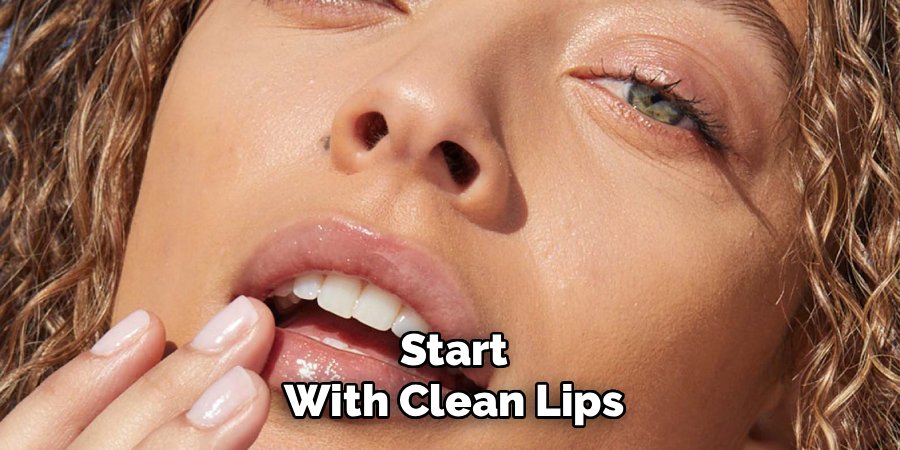
A quick swipe with a damp cotton pad does the trick. If you’re removing long-wear lipstick, use a gentle makeup remover first.
Step 2: Soften Your Lips With Warm Water
Dampen your lips with lukewarm water or press a warm, damp cloth against them for a few seconds. This softens the dead skin and makes it easier to lift away.
Think of it like softening your skin before a shave. Warm water preps the surface so exfoliation is gentler and more effective.
Step 3: Apply a Small Amount of Exfoliator
Scoop up a pea-sized amount of your lip scrub with a clean fingertip. A little goes a long way, so resist the urge to load it on.
Dot it across your top and bottom lip. You don’t need to cover every millimeter perfectly, since you’ll be spreading it as you massage.
Step 4: Massage in Gentle Circles
Using your fingertip, a soft toothbrush, or the applicator, work the scrub over your lips in tiny circular motions. Keep the pressure feather-light.
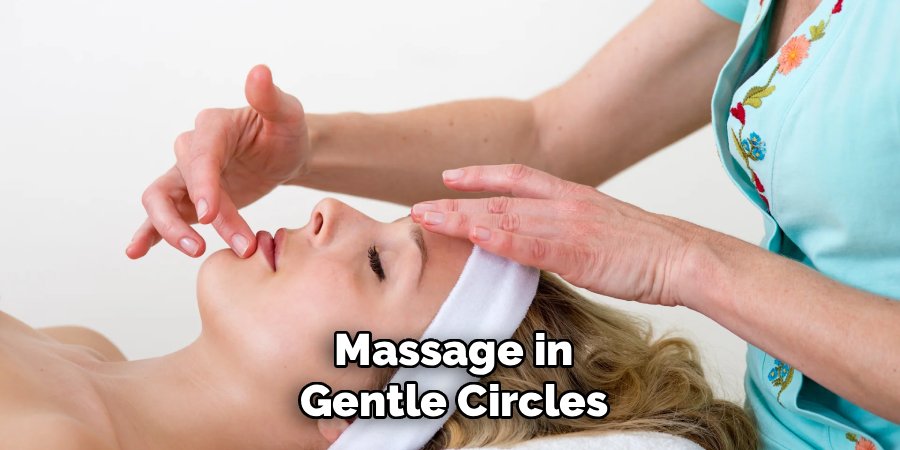
Focus on any dry or flaky patches, but don’t linger too long in one spot. About 30 to 60 seconds total is plenty. Over-scrubbing can leave lips raw and sore.
Step 5: Let Enzyme Scrubs Sit (If Using One)
If you’re using an enzyme-based exfoliator instead of a grainy sugar scrub, let it rest on your lips for the time listed on the label. Enzyme means the product uses natural acids to dissolve dead skin rather than buffing it off physically.
Most enzyme formulas need only a minute or two. Don’t leave it on longer than directed, as that can cause tingling or irritation.
Step 6: Wipe or Rinse Away the Scrub
Gently remove the exfoliator with a soft, damp washcloth or a splash of lukewarm water. Wipe in soft strokes rather than rough rubbing.
Take your time and make sure you’ve removed all the grains or residue. Any leftover scrub can dry out your lips or feel gritty under lipstick.
Step 7: Pat Dry and Check Your Lips
Lightly pat your lips with a soft towel. They should feel noticeably smoother and look a little brighter.
If you still see stubborn flakes, don’t go in for a second aggressive round. It’s better to wait and exfoliate again in a few days than to overdo it now.
Step 8: Lock In Moisture With Balm
Immediately apply a nourishing lip balm while your lips are still slightly damp. This seals in hydration and soothes freshly buffed skin.
For an extra boost, layer on a lip mask or overnight treatment before bed. This is the perfect time for hydrating products to sink in, since you’ve just cleared away the dry barrier that was blocking them.
Pro Tips for Smoother Lips
Small adjustments make a big difference when you’re buffing such a delicate area. Keep these in mind.
- Exfoliate at night. Buffing before bed lets your lips recover overnight and soak up a rich balm or mask while you sleep.
- Less pressure, more patience. If flakes won’t budge, resist scrubbing harder. Regular gentle exfoliation works far better than one rough session.
- Hydrate daily, not just after scrubbing. Smooth lips start with consistent moisture. Apply balm throughout the day to prevent dryness from returning.
- Choose the right formula for your sensitivity. Grainy sugar scrubs suit most people, but enzyme or jelly-textured options are kinder to easily irritated lips.
- Do it before lipstick, not after. Exfoliating gives you a smooth base so matte and long-wear formulas glide on evenly instead of clinging to dry patches.
Common Mistakes to Avoid
Even something as simple as a lip scrub has a few easy traps. Steer clear of these and your lips will thank you.
Exfoliating too often. Lips are thin and delicate, so daily scrubbing can strip and irritate them. Two to three times a week is plenty for most people.
Pressing too hard. Aggressive scrubbing can cause tiny tears and leave lips sore or chapped. A light, circular touch is all you need.
Skipping the balm afterward. Fresh, buffed lips lose moisture fast. Always follow up with a hydrating balm or mask to seal them.
Using body scrubs on your lips. Scrubs made for arms and legs are far too harsh for the mouth area. Stick to products formulated specifically for lips.
Exfoliating chapped or cracked lips. If your lips are already sore, split, or broken, hold off. Scrubbing damaged skin only makes things worse. Focus on healing and hydration first.
A quick safety note: Before trying a new lip exfoliator, do a simple patch test, especially if your skin tends to react. Dab a small amount on the inside of your wrist or the corner of your mouth and wait 24 hours to check for redness, itching, or irritation. If your lips ever sting, burn, or feel raw during use, stop right away and rinse with cool water. This is general beauty guidance, not medical advice, so check with a professional if you have ongoing lip concerns.
Frequently Asked Questions
How often should you use a lip exfoliator?
For most people, two to three times a week is the sweet spot. Lips are much thinner and more sensitive than the skin on your face, so daily exfoliation can leave them dry and irritated. If your lips are prone to flaking in cold or dry weather, you might buff a little more often, but always follow with a hydrating balm. Pay attention to how your lips respond, and scale back if they start to feel sore or tender.
Can you use a lip scrub on chapped lips?
It’s best to avoid scrubbing lips that are actively cracked, split, or painfully chapped. Exfoliating already-damaged skin can cause more irritation and slow down healing. Instead, focus on deep hydration with a rich balm or overnight lip mask until your lips are calmer. Once the cracks have healed and you’re only dealing with mild dryness or light flaking, you can gently reintroduce a lip scrub to smooth things out.
What’s the difference between a lip scrub and a lip exfoliator?
The terms are often used interchangeably, and both do the same job of removing dead skin. A lip scrub usually refers to a grainy formula, often sugar-based, that buffs away flakes through physical friction as you massage it in. A lip exfoliator can also describe enzyme or acid-based products that dissolve dead skin chemically without any grit. If you have sensitive lips, an enzyme exfoliator tends to be gentler, while a sugar scrub gives you more hands-on control.
Should you exfoliate your lips before or after applying lipstick?
Always exfoliate before applying any lip color. Buffing away dry skin creates a smooth, even surface so your lipstick glides on cleanly instead of catching on flaky patches. This is especially helpful with matte or long-wear formulas, which tend to highlight dryness. After exfoliating, apply a thin layer of balm, let it absorb, and blot off the excess before your lipstick. That way you get smooth color that lasts without looking patchy.
Ready to reveal your softest lips yet? Grab your favorite scrub tonight, buff gently, seal with balm, and wake up to a smoother, more kissable pout.
