
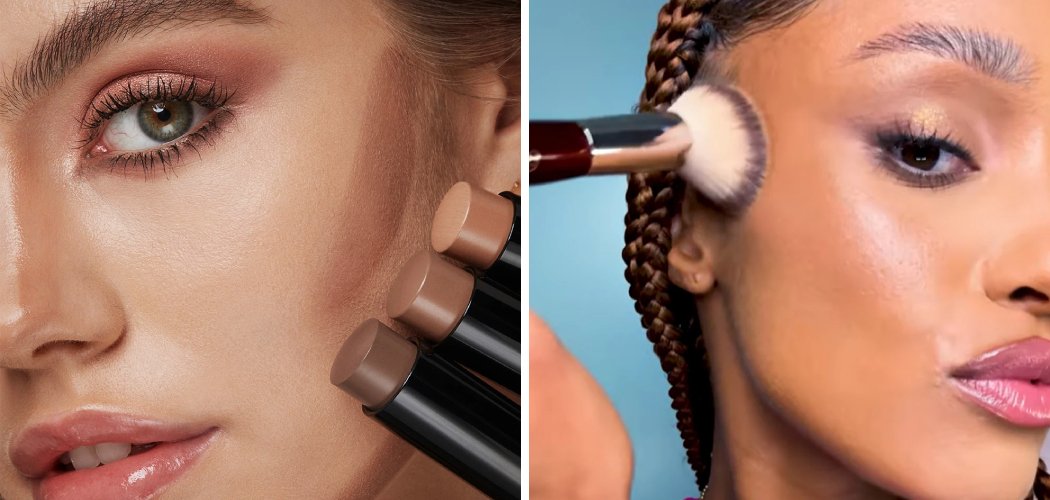
A bronzer stick gives you a warm, sun-kissed glow in seconds, and the easiest way to use one is to swipe it onto the high points of your face, then blend it out with your fingers or a sponge. Focus on the areas the sun would naturally hit, like your cheeks, forehead, and the bridge of your nose. Learning how to use a bronzer stick is simpler than it looks, and the creamy formula melts right into your skin for a fresh, natural finish.
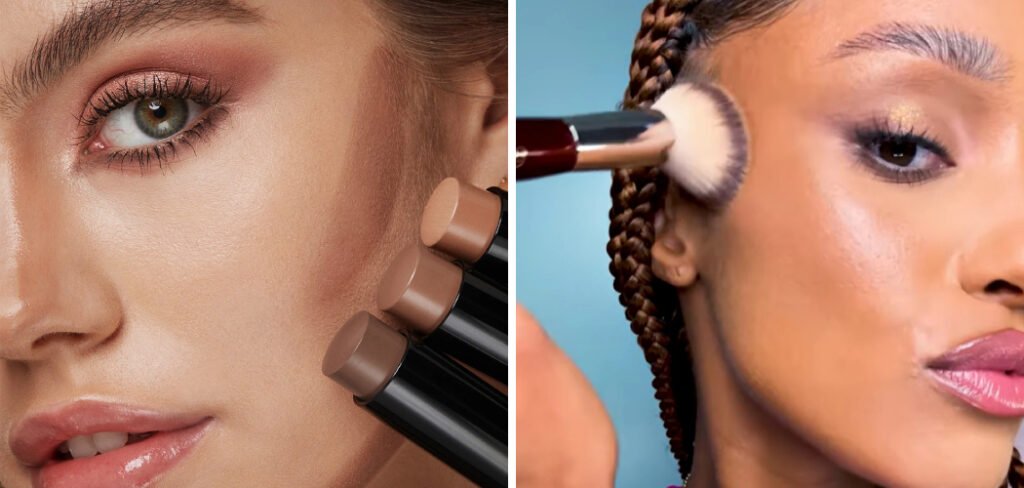
Below, I’ll walk you through everything you need, a foolproof step-by-step method, and the pro tips that keep your bronzer looking glowy instead of muddy. Let’s warm up that complexion.
What You’ll Need
You only need a few things to get a gorgeous bronzed look. Here’s your simple lineup.
- A cream bronzer stick — the star of the show. Pick a shade one or two tones deeper than your natural skin, with a warm undertone. A twist-up or draw-on stick makes application quick and mess-free.
- A makeup sponge — a beauty blender sponge is perfect for pressing and blending cream products into the skin without wiping them away.
- A fluffy blending brush — a soft kabuki brush or dense buffing brush helps diffuse the color for a seamless finish.
- Your fingertips — honestly, your own warm fingers are one of the best tools for blending cream bronzer.
- A hydrating moisturizer — smooth, prepped skin helps the stick glide instead of grabbing at dry patches.
- A setting powder (optional) — a light dusting of translucent setting powder locks everything in place if you have oily skin.
A quick caution before we dive in: if you’re trying a new bronzer stick for the first time, do a small patch test on your inner arm and wait a day to check for any irritation. This is just general beauty-routine caution, not medical advice. If your skin ever feels itchy or looks red after using a product, stop and remove it gently.
How to Apply a Bronzer Stick: 8 Step-by-Step
Take it slow the first few times. Once you find your placement, this becomes a 60-second step in your routine.
1. Start With Prepped, Moisturized Skin
Apply your moisturizer and let it sink in for a minute or two.
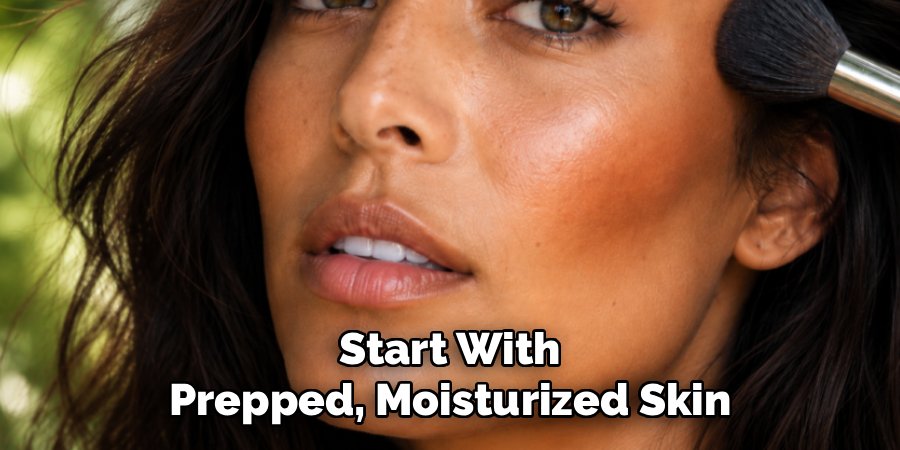
Cream bronzer blends best on skin that’s smooth and slightly hydrated. If your face is dry or flaky, the color can cling to those spots and look patchy. You can apply your stick bronzer over bare skin, tinted moisturizer, or foundation, whatever you prefer.
2. Warm Up the Stick
Give the tip of your bronzer stick a quick swipe on the back of your hand.
This warms the creamy formula slightly so it glides on smoothly. It also lets you check the shade and control how much product you pick up. A warmed-up stick deposits color evenly instead of dragging.
3. Find Your Placement
Picture where the sun naturally hits your face, and aim there.
The classic spots are the tops of your cheekbones, your temples, the sides of your forehead, and the bridge of your nose. A tiny bit along your jawline ties everything together. Think of drawing a soft “3” shape down each side of your face, from forehead to cheek to jaw.
4. Swipe On Small Amounts
Draw the bronzer stick directly onto those areas in short, light strokes.
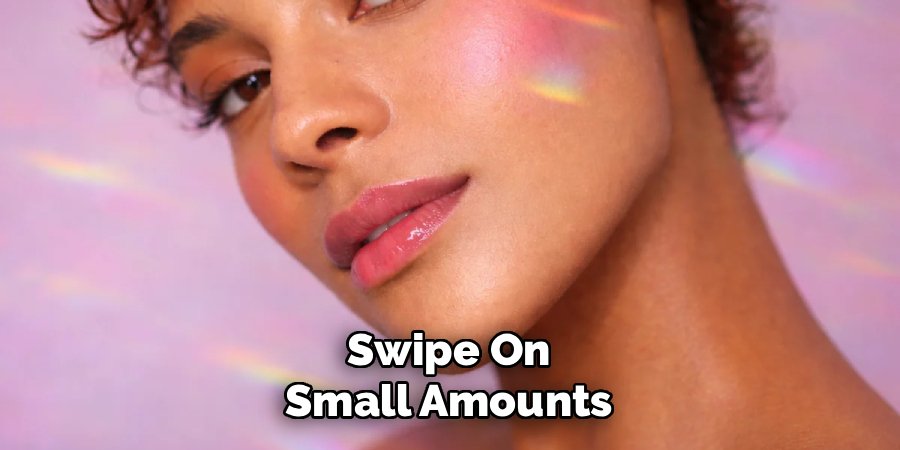
Start with less than you think you need, since you can always add more. Draw a small stripe or a few dots on each cheek, then dab a little across your forehead and nose. Cream products build up fast, so a light hand keeps things natural.
5. Blend, Blend, Blend
Blend the color out immediately before it sets.
Use your fingertips, a damp beauty sponge, or a fluffy brush to buff the edges. Press and roll the product into your skin rather than swiping harshly, which can wipe the color away. Blend upward and outward toward your hairline so there are no harsh lines.
6. Build Up Gradually
Check the mirror, then add more color only where you want it.
If you’d like a deeper glow, go back with a little more product and blend again. Building in thin layers gives you far more control than piling it on all at once. This is how you get that lit-from-within look instead of a heavy stripe.
7. Add a Touch to Other Areas
Sweep any leftover bronzer on your brush across your neck, chest, or eyelids.
Blending a whisper of color onto your neck keeps your face from looking disconnected from the rest of you. A tiny bit on your lids doubles as a quick, warm eyeshadow. This little step pulls the whole look together.
8. Set If Needed
Dust a light layer of translucent setting powder over the bronzed areas if your skin gets oily.
Setting powder helps your cream bronzer stay put through the day. If you have dry skin, you can skip this and enjoy the natural, dewy finish. Only powder where you need it, so you don’t dull that pretty glow.
Pro Tips for a Flawless Bronzed Glow
These small tricks make a big difference between “meh” and “wow.”
- Layer cream under powder. If you use both, apply your cream bronzer stick first, then a powder bronzer on top. Cream-then-powder locks in the color and makes it last much longer.
- Match your undertone. A warm, golden bronzer flatters most skin tones and reads as sunlight. Avoid shades that look too orange or too gray, which can seem muddy or ashy.
- Blend while it’s fresh. Cream products have a short blending window before they set. Work in small sections so you never have to fight dried-on color.
- Use a damp sponge for sheerness. A slightly damp beauty sponge sheers out the bronzer for the most natural, skin-like finish. Squeeze out excess water first so it’s just barely moist.
- Don’t forget your ears. A tiny dab on the tops of your ears makes your bronzer look like a real tan, not just makeup.
Common Mistakes to Avoid
Even a great bronzer stick can go wrong if you fall into these traps. Here’s what to watch for.
Applying too much at once. Cream bronzer is pigmented, so a heavy hand leads to obvious stripes. Always start light and build up slowly.
Choosing the wrong shade. Going too dark or too orange makes bronzer look like a mask instead of a glow. Stay within one or two shades of your natural skin tone.
Skipping the blend. Unblended cream leaves harsh lines and patches. Give yourself enough time to buff every edge until there’s no visible starting point.
Placing it everywhere. Bronzer isn’t meant to cover your whole face like foundation. Keep it on the high points where the sun would hit, or your features can look flat.
Using it on unmoisturized, flaky skin. Dry patches grab cream product and turn patchy fast. Prep your skin so the stick glides smoothly.
Forgetting to set oily skin. If you skip setting powder on an oily complexion, your bronzer may slide or fade by midday. A light dusting keeps it in place.
Frequently Asked Questions
Where do you apply a bronzer stick on your face?
Apply your bronzer stick to the areas where the sun naturally hits your face. That means the tops of your cheekbones, your temples, the sides of your forehead, the bridge of your nose, and a touch along your jawline. Many people follow a soft “3” shape down each side of the face, from forehead to cheek to jaw. Always blend the edges outward so there are no harsh lines, and add a little to your neck so your face matches the rest of your skin.
Do you use a bronzer stick before or after foundation?
You can use a cream bronzer stick either before or after foundation, but after usually works best. Apply it once your foundation or tinted moisturizer is down, then blend with a damp sponge or your fingers. Because both are cream formulas, they melt together nicely for a seamless, skin-like finish. If you prefer a very natural look, you can also skip foundation entirely and apply the stick straight onto moisturized bare skin.
Can you use a bronzer stick to contour?
Yes, a stick bronzer can double as a soft contour, especially a matte one in a cooler, deeper shade. Draw it into the hollows of your cheeks, along your hairline, and under your jaw, then blend well. Keep in mind that true contour shades tend to be cooler and more shadow-like, while classic bronzer is warmer and golden. For a natural everyday look, a warm bronzer used lightly gives gentle definition without looking too sculpted.
How do you blend a bronzer stick without a brush?
Your fingertips are one of the best tools for blending cream bronzer. The warmth from your hands helps melt the product into your skin for a natural finish. Simply tap and press the color outward using light, dabbing motions rather than harsh swiping. A slightly damp makeup sponge also works beautifully if you’d like an even sheerer, more diffused result.
Now that you know exactly where to place and blend it, grab your bronzer stick and give yourself that effortless, sun-kissed glow, your warmest complexion is just a few swipes away.
